
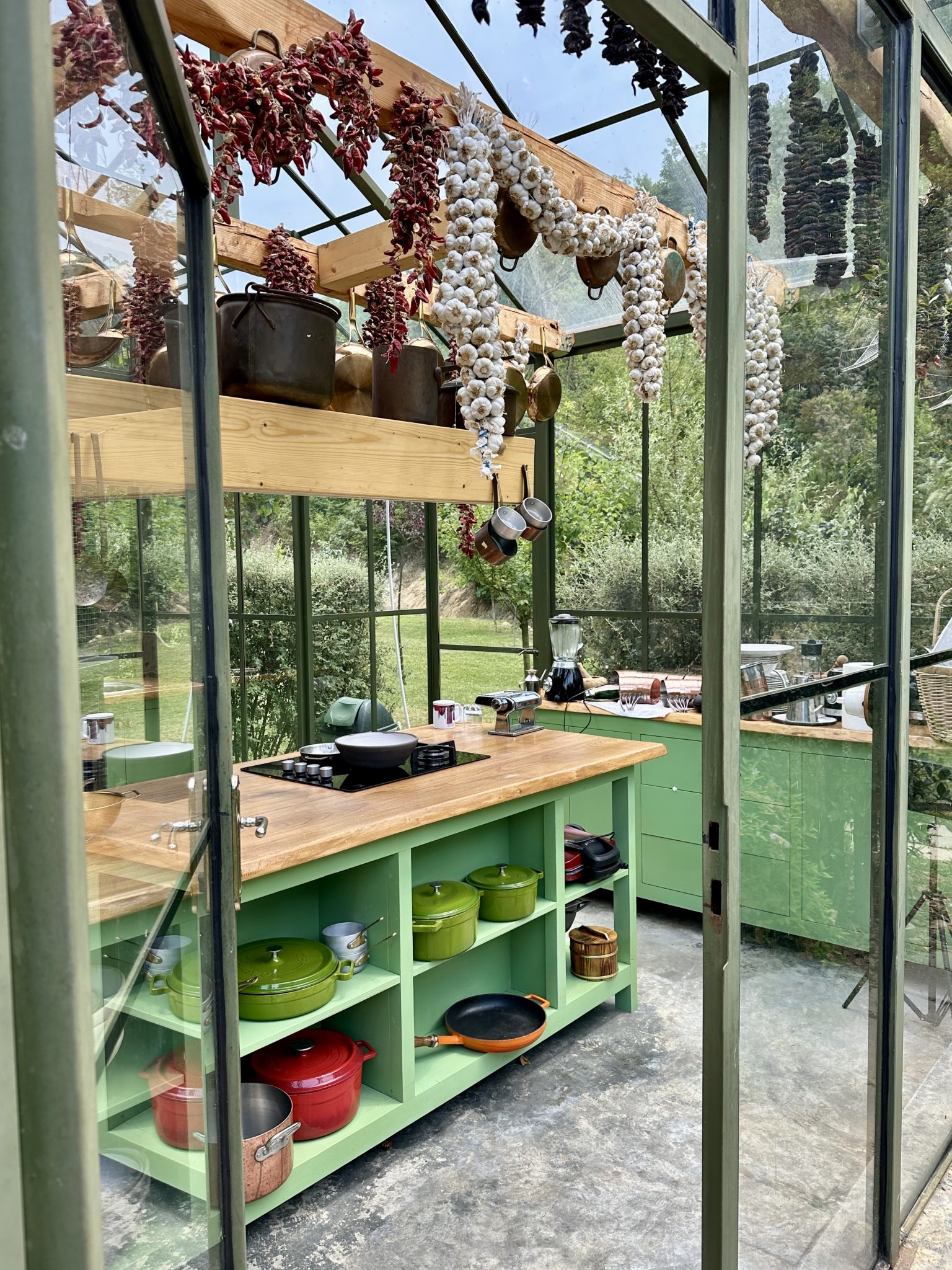
Styling open shelving in a kitchen requires a balance of daily essentials, warm wood accents, and clean glass jars. Stack your most used white dinner plates on the lowest shelf where you can reach them fast. Place clear glass bottles, brass items, and woven baskets on the upper levels to keep the counters clear.
What to put on open shelving in a kitchen first
Start your shelf layout by gathering the items you use every day. This keeps dust off your dishes because they go through the wash standardly. Stick to a simple color palette of matte white, clear glass, soft grey, and warm oak so the shelves look neat instead of cluttered.
Here are the best items to place on your bottom shelves for easy daily use:
- White ceramic plates and bowls: Stack plates in piles of six. Put shallow bowls next to them in piles of four to build balance.
- Clear drinking glasses: Line up eight water glasses in two straight rows of four right next to your plates.
- Daily coffee mugs: Hang four stoneware mugs from small hooks under the bottom shelf, or place them in a neat row of three.
- Wooden cutting boards: Lean two oak or walnut boards flat against the back wall to build a warm background.

How to organize items by weight and height
Heavy items always go on the bottom shelf, while light items belong on top. This order keeps your open shelves visually balanced and safe to use. Leave at least three inches of empty space between every group of items to keep the area looking fresh and bright.
Set medium glass canisters filled with white rice, dried pasta, and oats on the middle shelf. Group these jars in sets of three, using different heights for a soft, visual look. Put small brass salt shakers or small cream pitchers right in front of the tall jars to fill the space well.
Adding warmth with color and texture
A kitchen full of white plates can feel cold without natural materials. Mix in warm terracotta pots, rich walnut spoons, and woven seagrass baskets to bring life to the space. You can use interior design principles to create focal points that catch the eye instantly.
Use these specific decorative touches on your upper shelves:
- Small leafy plants: Put one trailing pothos plant in a footed terracotta pot on the top corner shelf.
- Cookbooks with pretty spines: Stack three neutral cookbooks flat, then place a small marble bowl on top.
- Woven storage baskets: Place two small square seagrass baskets on the top shelf to hide extra baking supplies.
- Amber glass bottles: Set two amber bottles near the window light to catch warm brown reflections.
A simple thirty minute styling process
Clear everything off your open shelves and wipe the wooden boards with a damp cloth. Let the wood dry completely for five minutes before putting anything back. Lay out all your dishes, jars, and boards on the kitchen counter so you can see every piece clearly.
Place your large backing pieces first. Lean your largest wooden board against the back wall on the left side of the middle shelf. Stack your white plates on the bottom left shelf directly below the board. Add your glass canisters to the right side of the middle shelf, then finish by placing a small green plant on the top right shelf to balance the layout.
How to keep your open shelves clean
Open shelves need quick regular care to stay free of dust and kitchen grease. Wash the items on your bottom shelf through your normal routine. Give the top shelf items a simple quick check every two weeks so grease does not build up on decorative pieces.
Set a timer for ten minutes every Sunday morning. Take down decorative items from the top shelf, wipe the shelf surfaces with a microfiber cloth, and put the pieces back in their exact spots. Keep stove oil far away from your open shelves to prevent sticky dust layers from forming on your glass jars.