
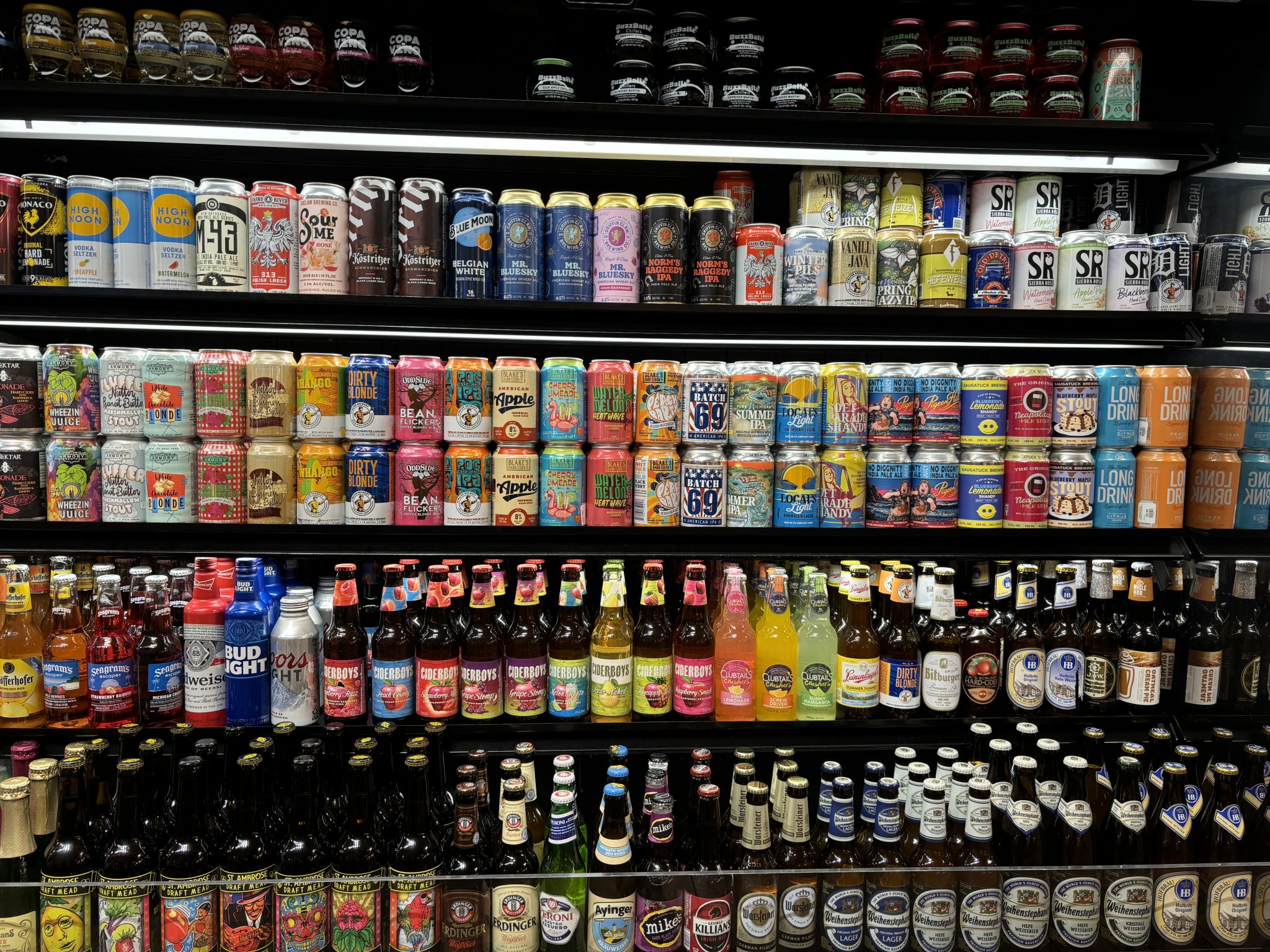
To keep your refrigerator tidy, put food in specific zones based on temperature rather than open shelf space. Cold air settles at the bottom, while the door bins experience the highest temperature changes every time you open it. Following a clear placement plan keeps food fresh longer and cuts weekly clean-up time to five minutes.
Why Does My Refrigerator Get Messy So Fast?
Refrigerators become chaotic when items lack dedicated home locations. When you buy groceries without a set layout, fresh items get pushed behind older containers, leading to hidden mold, sticky spills, and wasted money. Practicing structured housekeeping helps prevent these forgotten corners from forming in the first place.
A functional layout relies on placing high-risk foods in the coldest sections and ready-to-eat items where you can clearly see them. Take thirty minutes this weekend to completely clear your shelves, wipe down the interior plastic, and assign every group of items to its correct level using the guide below.

What Goes Where on Fridge Shelves
Top shelves have the most stable temperatures, while bottom shelves are the coldest. Storing items according to these temperature zones keeps dairy from spoiling and prevents raw meats from dripping onto ready-to-eat meals.
- Top Shelf: Store drinks, yogurt, sour cream, snacks, and leftover meals in clear glass containers. Keep items with upcoming expiration dates right at the front.
- Middle Shelf: Place eggs, butter, deli meats, and cheeses here. Keep eggs in their original paper carton rather than a decorative door tray to preserve freshness.
- Bottom Shelf: Place raw meat, poultry, and fish on this lowest shelf. Always set them inside a rimmed tray or wide baking dish to catch any accidental leaks.
- Door Bins: Put condiments, salad dressings, ketchup, mustard, preserves, and pasteurized juices here. Never place fresh milk or eggs on the door shelves.
How to Organize Fridge Drawers for Produce
Humidity drawers are designed to extend the life of fresh fruit and vegetables, but only if the vents are set correctly. Most fridges have two drawers that allow you to adjust the airflow for different types of fresh produce.
- High Humidity Drawer (Vent Closed): Keep leafy greens, broccoli, carrots, cucumbers, berries, and herbs here. The trapped moisture stops thin-skinned produce from wilting.
- Low Humidity Drawer (Vent Open): Store apples, pears, avocados, citrus fruits, and melons here. Opening the vent lets ethylene gas escape so fruit does not rot quickly.
- Preparation Tip: Wash berries only right before eating them, as moisture causes mold. Line the bottom of both drawers with paper towels to absorb excess liquid.
How Can I Keep My Fridge Clean Long Term?
Maintaining a tidy refrigerator takes less than ten minutes each week if you connect it to your normal routines. Setting up clear systems through professional organizing methods makes it simple for everyone in your home to return items to their proper places.
Clear out old food every week on the night before your trash bin goes to the curb. Wipe down empty spots with a damp cloth before adding new grocery items, and keep a small box of baking soda on the middle shelf to absorb unwanted food odors.